Minimalism Maximalists: How Britain's Capsule Wardrobe Cult Created the Most Complicated Simple Life Ever
The Gospel According to Capsule
Somewhere between the third YouTube video about "10 Pieces, Endless Possibilities" and the fourth attempt to justify why a £180 jumper is actually economical, Britain realised it had been sold the fashion equivalent of a timeshare. The capsule wardrobe — that mythical collection of interchangeable basics that would supposedly transform us into effortlessly chic Europeans — has become the most labour-intensive shortcut to simplicity ever devised.
The promise was seductive: curate a small selection of high-quality, timeless pieces that all work together, and never again would you stand before a bulging wardrobe wailing "I have nothing to wear." What they didn't mention is that achieving this zen-like state of sartorial minimalism requires the organisational skills of a military quartermaster and the shopping stamina of a contestant on Supermarket Sweep.
The Mathematics of Minimalism
According to capsule wardrobe evangelists, thirty-seven carefully chosen items can create 847 different outfit combinations. This impressive figure assumes you're comfortable wearing the same beige trench coat to both your nephew's christening and a rave, and that your definition of "different outfit" includes "Tuesday's look but with the belt moved two centimetres to the left."
The reality is somewhat different. Sarah from Tunbridge Wells, a devoted capsule wardrobe practitioner, reports owning forty-three "essential" items that somehow never seem to coordinate. "I spent six months researching the perfect white shirt," she explains, standing in her walk-in wardrobe wearing yesterday's pyjamas. "I now own seven perfect white shirts, none of which go with my capsule trousers, and I'm considering an eighth."
The Tyranny of the Timeless Classic
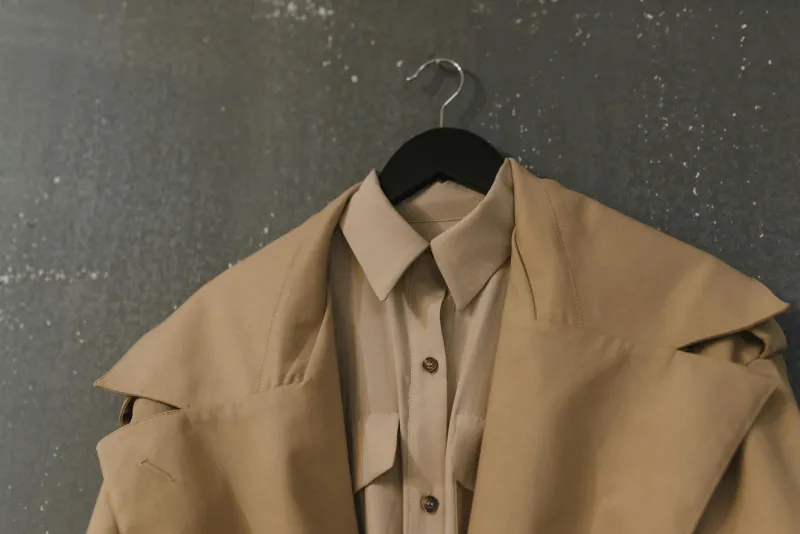
Every capsule wardrobe begins with the same shopping list: the perfect white shirt, well-fitted jeans, a blazer, a little black dress, and a trench coat. These items are described as "investment pieces" and "wardrobe workhorses" — terminology that makes getting dressed sound like a pension plan crossed with a agricultural venture.
The perfect white shirt alone has spawned an entire cottage industry of lifestyle bloggers who've made careers from explaining why their £90 shirt is superior to everyone else's £90 shirt. These shirts are apparently so versatile they can be dressed up for dinner at the Ritz or down for a casual weekend — though notably, none of these influencers have ever demonstrated the "down" version, presumably because it involves admitting that a £90 shirt looks exactly like every other white shirt when you spill bolognese down it.
The Paradox of Buying Less
The most remarkable achievement of the capsule wardrobe movement is convincing people that owning fewer clothes requires buying more clothes. Before embarking on their minimalist journey, most people owned a random assortment of garments that more or less covered their bodies. Post-capsule, they own a carefully curated random assortment of garments that definitely don't work together, plus seventeen books about French women's wardrobes.
"I used to just buy things I liked," confesses Emma from Brighton, surrounded by Pinterest boards titled "Timeless Elegance" and "Effortless Chic." "Now I have a spreadsheet tracking cost-per-wear for each item, a colour palette that's basically beige in seven variations, and I still can't leave the house without having a small breakdown about whether my shoes 'work' with my handbag."
The French Woman Industrial Complex
No discussion of capsule wardrobes is complete without mentioning the mythical French woman, who apparently emerges from the womb wearing perfectly fitted jeans and an insouciant attitude toward fashion rules. This creature — part human, part marketing construct — has inspired approximately 400 books, all promising to decode her secrets.
The French woman, we're told, owns only quality pieces that she wears for decades. She never looks overdressed or underdressed. She probably smells like jasmine and doesn't own athleisure. She's also, crucially, fictional — a composite character created by people who've spent exactly one weekend in Paris and came back convinced they'd cracked the code of European sophistication.
The Support Group Syndrome
The capsule wardrobe community has developed its own ecosystem of support groups, forums, and "accountability partners" — because apparently buying fewer clothes requires the same level of peer support as giving up smoking. These communities are filled with people posting photos of their "curated collections" and seeking validation for their latest "investment piece."
"I joined a Facebook group for capsule wardrobe inspiration," admits Rachel from Leeds. "Three months later, I was posting daily outfit photos and asking strangers to vote on whether my cardigan was 'timeless enough' for my collection. I realised I'd turned getting dressed into a part-time job with performance reviews."
The Great Simplicity Swindle
Perhaps the greatest irony of the capsule wardrobe movement is that it's made fashion infinitely more complicated. Where once people might have grabbed whatever was clean and weather-appropriate, capsule devotees spend their mornings consulting mood boards and calculating whether today's ensemble aligns with their "personal brand."
The movement promised to free us from the tyranny of trends and the anxiety of choice. Instead, it's created a new form of fashion anxiety: the fear that your carefully curated collection isn't quite curated enough, that your classics aren't classic enough, and that somewhere out there, a French woman is wearing your exact outfit but somehow making it look effortless.
As Britain continues its collective quest for the perfect capsule wardrobe, one thing remains certain: the only thing more exhausting than having too many clothes is having exactly the right amount of clothes, all of which are wrong for today's weather, mood, and existential crisis. But at least they're timeless.