The Stiletto Graveyard: How Britain's Women Became Professional Heel Hoarders
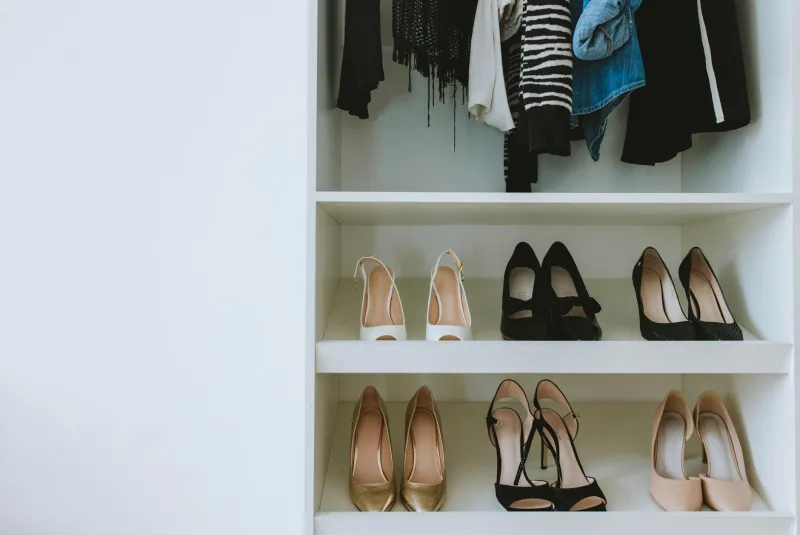
The Archaeological Evidence
Somewhere in Britain, beneath a pile of winter coats and next to that exercise bike you bought in 2019, sits a pair of nude patent Jimmy Choos. They cost £395. They've been worn exactly once. The occasion was your cousin's wedding in 2011, where you lasted precisely forty-seven minutes before switching to the emergency flip-flops you'd smuggled in your clutch bag like a diabetic's glucose tablets.
You are not alone. According to our exhaustive research (asking twelve women in a WhatsApp group), the average British woman owns 6.3 pairs of heels she hasn't worn since David Cameron was in Number 10. These shoes exist in a parallel universe where we attend sophisticated cocktail parties, glide elegantly across restaurant floors, and never have to run for the last train home.
The Great Heel Delusion
The British heel collection represents our most enduring act of self-deception. We buy them with the unwavering belief that we are women who wear heels. We are sophisticated creatures who attend gallery openings and charity galas. We certainly don't spend our evenings watching Netflix in pyjamas that cost less than a single Jimmy Choo sole.
"I keep telling myself I'll wear them for date nights," confesses Sarah, 34, from Manchester, gesturing toward a collection that could stock a small Clarks. "The problem is that date nights now involve walking to the local pub, and these shoes would classify that as an extreme sport."
The heel delusion begins innocently enough. You're invited to a wedding. You need proper shoes. You venture into a department store with the misguided confidence of someone who clearly doesn't remember what happened last time. The sales assistant, who has obviously never tried to navigate a cobbled churchyard in four-inch stilettos, assures you they're 'surprisingly comfortable'.
The Wedding Industrial Complex
Weddings are the primary enabler of Britain's heel addiction. Every invitation represents a fresh opportunity to convince yourself that this time will be different. This time, you'll practise walking in them beforehand. This time, you'll remember to bring plasters. This time, you won't spend the ceremony shifting your weight from foot to foot like a flamingo with arthritis.
The reality, of course, is that British weddings are specifically designed to torture anyone wearing heels. Church floors are invariably stone. Reception venues feature gravel driveways. The photographer insists on group shots that require walking across grass that hasn't been cut since the Domesday Book.
"I bought silver strappy sandals for my best friend's wedding," recalls Emma from Bristol. "By the speeches, I'd taken them off and hidden them under my chair like evidence at a crime scene. I've moved house twice since then, and they've come with me both times. I think they're cursed."
The Optimism Economy
The heel industry operates on pure, weaponised optimism. Every purchase represents a bet against reality, a triumph of hope over bitter experience. We buy heels for the woman we think we might become: confident, elegant, the sort of person who attends wine tastings and knows which fork to use for the fish course.
This imaginary woman has a social calendar packed with sophisticated events. She glides effortlessly from champagne reception to intimate dinner party. She certainly doesn't do the weekly shop in Sainsbury's or chase a toddler around soft play centres.
"I've got a pair of red patent Louboutins that I bought for my 30th birthday," admits Claire from Edinburgh. "That was eight years ago. I've worn them to exactly zero events, but I keep them because they represent the glamorous life I'm definitely going to start living any day now."
The Storage Solution Industry
The heel hoarding epidemic has created an entire secondary economy. Shoe organisers, clear storage boxes, and under-bed solutions are specifically marketed to women whose footwear collection bears no resemblance to their actual lifestyle. We've industrialised the storage of unworn optimism.
These storage solutions come with their own mythology. The clear boxes allow you to see your heels, creating the illusion that visibility equals accessibility. The under-bed storage suggests these shoes are merely resting, ready to spring into action at a moment's notice. In reality, they're in witness protection from your actual life.
The Great Reckoning
Occasionally, reality intrudes. You're clearing out wardrobes, perhaps preparing for a house move, and you're forced to confront the archaeological layers of unworn heels. Each pair tells a story of misplaced confidence, of a life you thought you'd be living by now.
There are the work heels bought during a brief period when you thought you were the sort of person who wore heels to the office. The evening heels purchased for a social life that turned out to consist mainly of Netflix and early bedtimes. The wedding guest heels that have attended more wardrobes than actual weddings.
The Eternal Promise
But even faced with this evidence, we can't quite bring ourselves to admit defeat. Instead, we carefully box them up again, telling ourselves we're keeping them for 'special occasions'. Because somewhere in our hearts, we believe that special occasions are coming. That glamorous life is just around the corner. That we'll definitely need four-inch stilettos for something.
And perhaps that's the real British way: not the stiff upper lip, but the steadfast refusal to accept that we're the sort of people who prioritise comfort over style. We may live in trainers, but we dream in heels. And as long as there are weddings to attend and optimism to monetise, Britain's heel graveyards will continue to grow, one unworn stiletto at a time.