The Elastic Revolution: How Britain's Waistbands Became a Parliamentary Matter
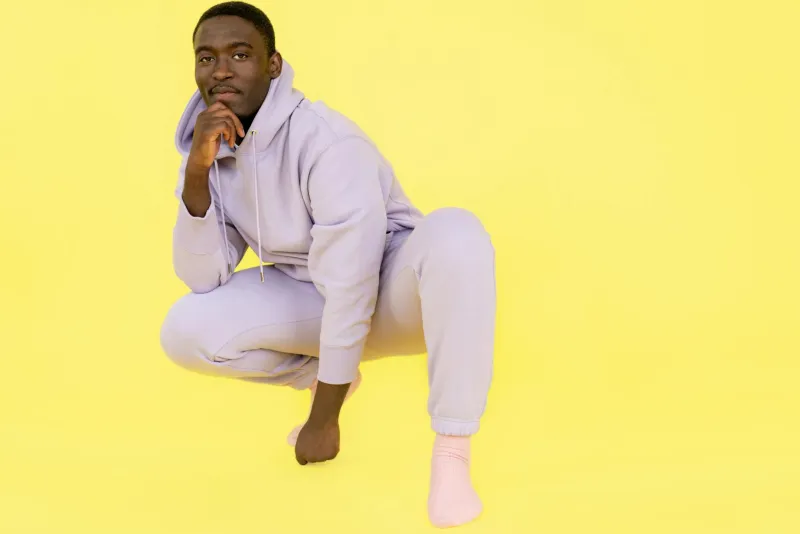
The Great Waistband Rebellion of 2024
Somewhere between the third lockdown and the cost-of-living crisis, Britain quietly staged the most comfortable revolution in human history. Without fanfare, without protest marches, without so much as a strongly-worded letter to the Telegraph, an entire nation simply looked down at their belts and said: "Absolutely not."
The evidence is everywhere. Office workers shuffle through Canary Wharf in what their employers desperately pretend are "tailored joggers." Wedding guests arrive in "elevated loungewear" that would have been grounds for excommunication from polite society in 2019. Even the King, if rumours are to be believed, has requested that his ceremonial robes be fitted with an elasticated waist "for comfort during lengthy state functions."
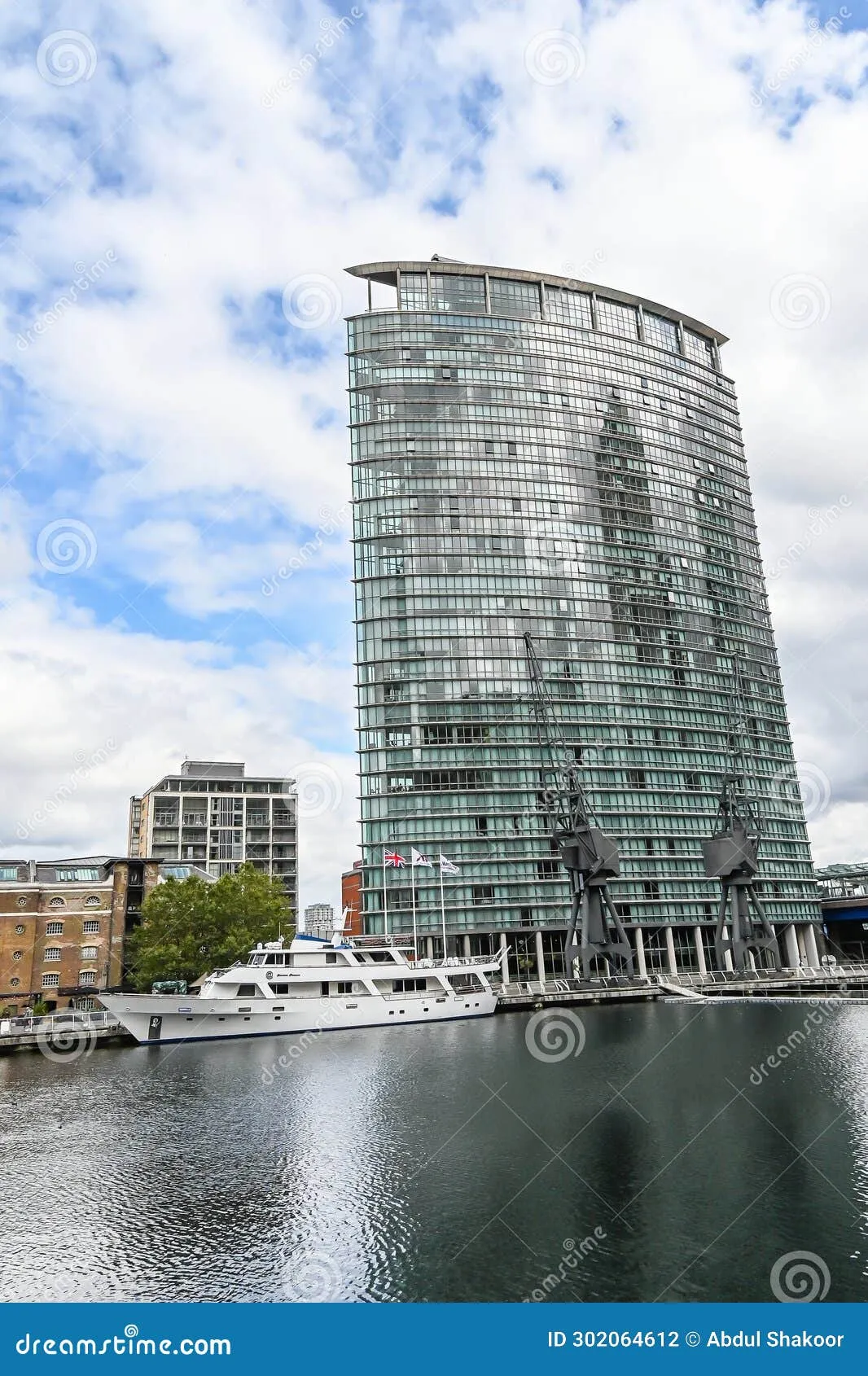 Photo: Canary Wharf, via thumbs.dreamstime.com
The Science of Sartorial Stockholm Syndrome
Dr. Margaret Pemberton, Professor of Trouser Psychology at the University of Luton (a department that definitely existed before we made it up), explains the phenomenon: "After two years of working from home in pyjama bottoms, the British population developed what we call 'waistband intolerance.' The mere sight of a button fly now triggers fight-or-flight responses typically reserved for large predators or Jeremy Clarkson."
 Photo: University of Luton, via cdn.universityliving.com
The statistics are damning. John Lewis reports a 847% increase in "comfort trouser" sales, whilst belt manufacturers have quietly pivoted to producing dog leads and luggage straps. Marks & Spencer's entire menswear department now consists of variations on the same elasticated theme, marketed under increasingly creative euphemisms: "flexible waistbands," "comfort-first tailoring," and the particularly bold "liberation pants."
The Influencer Industrial Complex Strikes Again
Where there's a trend, there's a twenty-something with perfect teeth ready to monetise it. Enter the "comfort style" influencers, a cottage industry of Instagram accounts dedicated to convincing their followers that £180 designer joggers are actually "investment pieces."
@ComfyChicClaire (47K followers) posts daily outfit grids featuring "elevated athleisure" that looks suspiciously like the tracksuit your brother wore to sign on in 2003. Her captions read like manifestos for the chronically uncomfortable: "Why should we suffer for fashion when fashion can evolve for us? These organic bamboo lounge pants aren't just clothing—they're a statement about self-worth."
The comment sections tell a different story. Real British women, bless them, refuse to be gaslit into calling their Primark pyjama bottoms "intentional dressing." One user, @RealMumLife, cuts through the nonsense: "Babes, I wore these to drop the kids at school and accidentally went to Tesco. They're not 'elevated,' they're elasticated. There's a difference."
The Great Euphemism Dictionary
The fashion industry, faced with the uncomfortable reality that everyone just wants to wear pyjamas, has responded with linguistic creativity that would make Orwell weep. Our researchers have compiled a comprehensive guide to the new vocabulary:
- "Relaxed tailoring" - Pyjama bottoms with a proper label
- "Comfort-forward design" - No buttons anywhere
- "Flexible fit technology" - Elastic waistband that's given up trying
- "Athleisure hybrid" - Tracksuit bottoms that cost more than your car insurance
- "Mindful dressing" - Being conscious of how much you don't want to wear real clothes
- "Wellness wear" - Clothes that prioritise your mental health over your appearance
The Workplace Accommodation Crisis
HR departments across the nation are quietly panicking. Dress codes written in the before times suddenly seem as archaic as demanding employees arrive by horse and cart. Progressive companies have implemented "flexible dress policies," which is corporate speak for "please just don't come in your actual pyjamas."
One anonymous HR director from a major London firm confided: "We had to have a meeting about what constitutes 'smart casual' when half the staff interpret that as 'joggers that aren't covered in food stains.' I've seen grown men attempt to pass off tracksuit bottoms as 'deconstructed formal wear.' It's chaos."
The legal implications are staggering. Employment lawyers report a surge in "sartorial discrimination" cases, with workers claiming their human rights are violated by expectations to wear "restrictive waistbands." One landmark case, Comfortable vs. Corporate Ltd, established the precedent that employers cannot force workers to wear belts without providing "reasonable adjustments" including regular comfort breaks and access to emergency elastic.
The International Embarrassment Factor
Whilst Britain embraces its elasticated destiny, the rest of Europe watches in horror. French fashion editors speak in hushed tones about "l'catastrophe britannique," whilst Italian tailors have reportedly started offering counselling services for British tourists traumatised by the sight of a proper waistband.
American fashion magazines, never ones to miss a trend, have begun featuring "British comfort style" as the next big thing, completely missing the point that this isn't a fashion statement—it's a surrender. One Vogue editor gushed about "the revolutionary British approach to dressing for joy rather than judgment," apparently unaware that the joy in question is simply the absence of a belt digging into your stomach after a Greggs pasty.
The Future of British Fashion
As we look towards 2025, the signs are clear: there's no going back. Savile Row tailors are quietly learning to work with stretch fabrics. The Queen's dressmaker is reportedly experimenting with "royal loungewear." Even the most traditional British institutions are adapting—rumours persist that the House of Lords is considering updating their dress code to include "smart joggers" as acceptable parliamentary attire.
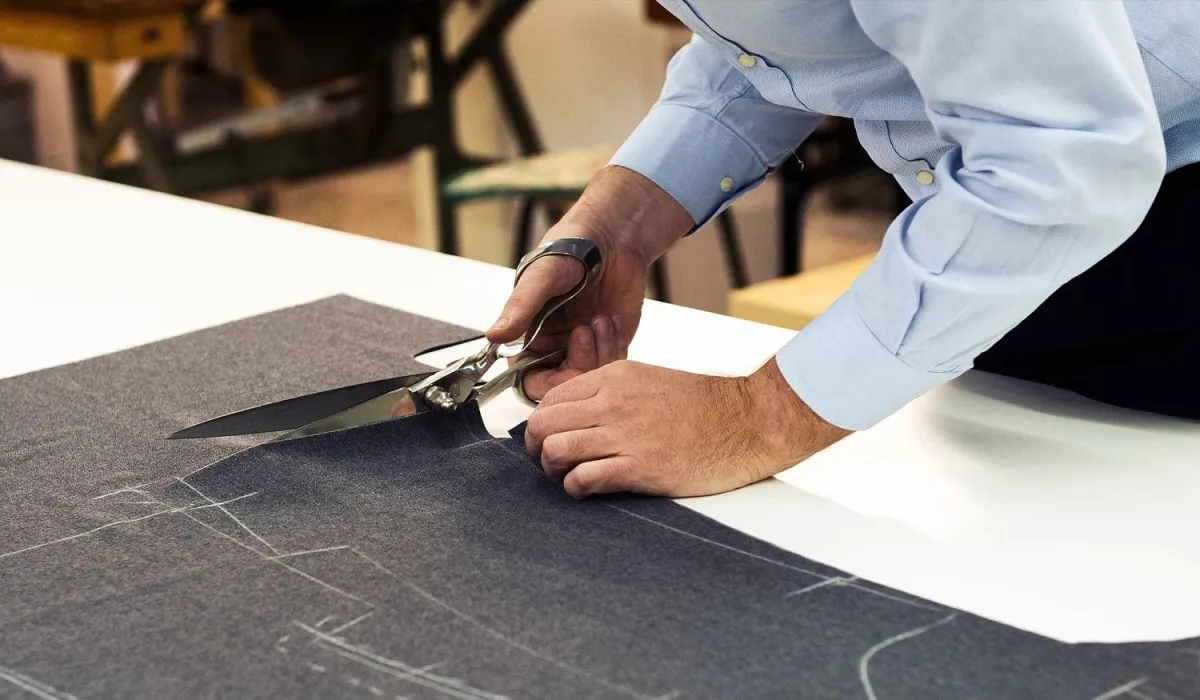 Photo: Savile Row, via www.apetogentleman.com
Perhaps this is evolution in action. Perhaps, after centuries of uncomfortable formality, Britain has finally achieved peak comfort. Or perhaps we've simply become a nation of people who've given up trying to look presentable and decided to make that everyone else's problem.
Either way, one thing is certain: the elastic waistband has won, and we're all just living in its comfortable, forgiving embrace. God save the elasticated Queen.