The Trouser Dragging Epidemic: Why Britain Would Rather Shuffle Through Life Than Visit a Tailor
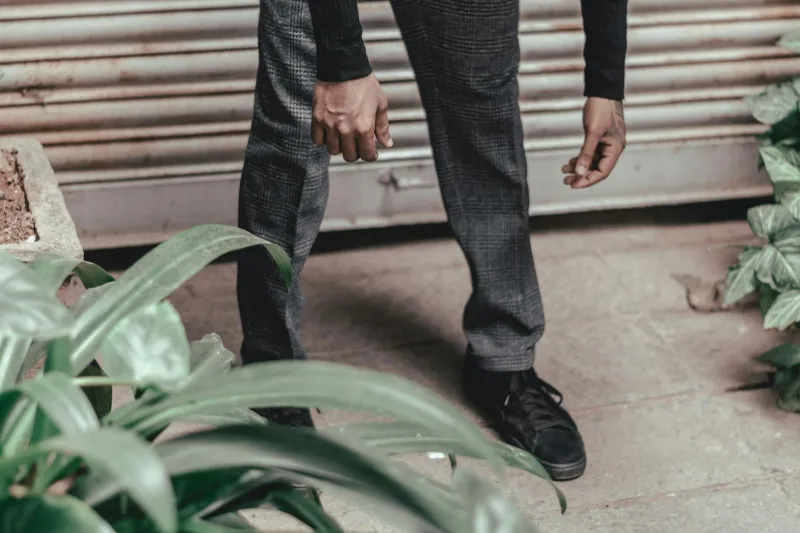
The Sound of Surrender
Across Britain this morning, millions of people woke up, got dressed, and began their daily ritual of shuffling through life like penguins in expensive fabric. The telltale swish-swish of trouser hems dragging against pavement has become the soundtrack to modern British existence—a gentle percussion of defeat that follows us from Tube platform to office corridor.
We are a nation that once ruled the seas, built an empire, and invented the sandwich. Yet we have collectively decided that the 30-second conversation required to get trousers hemmed represents an insurmountable social barrier. Instead, we have developed the most sophisticated trouser-coping mechanisms in human history.
The Great Denial
Visit any British workplace and witness the elaborate performance art of pretending everything is fine. Sarah from Marketing has mastered the "confident stride that keeps fabric elevated through sheer force of will." James from IT has perfected the "strategic heel-drag," wearing down his shoes at precisely the right angle to create the illusion of proper trouser length.
Meanwhile, Lucy from HR has embraced what psychologists are calling "defensive slouching"—a permanent posture adjustment that brings her closer to earth, thereby reducing the visible gap between ankle and hem. She insists it's "more relaxed," though witnesses report she hasn't stood fully upright since purchasing her "perfect" wide-leg trousers from COS in March.
The £89 Linen Delusion
Perhaps nowhere is this phenomenon more pronounced than in Britain's relationship with linen trousers. Every summer, thousands of otherwise rational adults spend their monthly coffee budget on "transformative" linen wide-legs, convinced that this time will be different. This time, the proportions will be perfect.
They are not perfect. They are never perfect.
These trousers—invariably described as "investment pieces" despite costing less than a decent dinner—now form a melancholy collection under washing machines across the nation. Too expensive to donate, too long to wear, too embarrassing to return, they exist in a state of sartorial purgatory.
The Tailor Phobia
"I keep meaning to get them altered," has become Britain's national motto, replacing "Keep Calm and Carry On" as our defining statement of character. The local tailor—usually a wizened gentleman with an Eastern European accent and the patience of a saint—waits in his shop like a confessor, ready to absolve us of our hem-related sins for the princely sum of £12.
But we don't go. We can't go. Because visiting a tailor requires admitting several uncomfortable truths: that we are not the height we imagine ourselves to be, that clothes require maintenance, and that the perfect trouser does not exist in nature, waiting to be discovered in the sale section of & Other Stories.
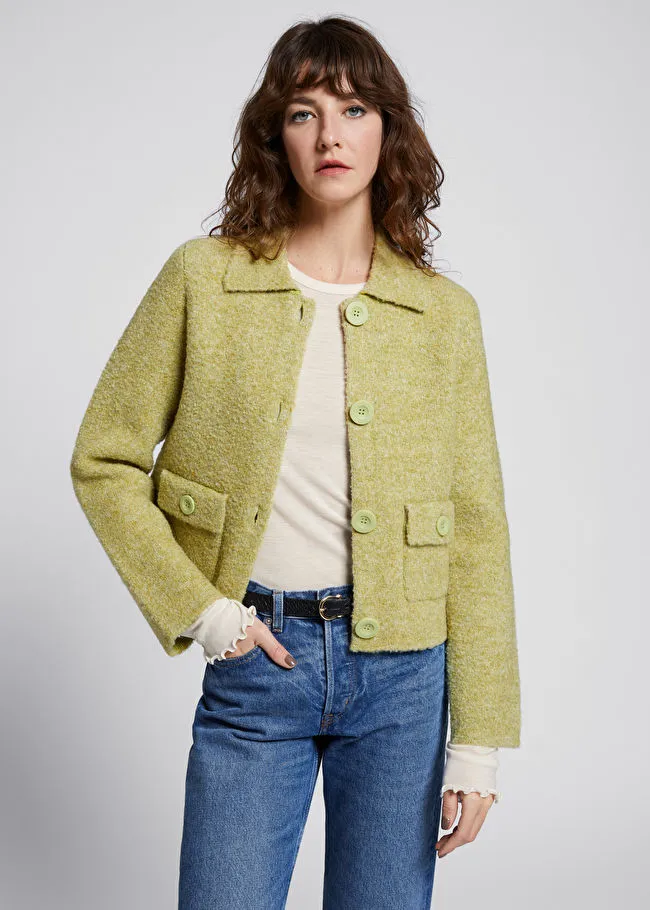 Photo: & Other Stories, via cdn.cliqueinc.com
The Coping Mechanisms
Instead, we have developed an entire ecosystem of avoidance strategies. The "strategic cuff" involves rolling trouser hems with the precision of a origami master, creating the illusion of intentional design. The "heel dependency" means owning shoes in gradually increasing heights, like a sartorial ladder to trouser salvation.
Then there's the "seasonal shuffle"—wearing too-long trousers only in winter, when the extra fabric can be disguised as protection against the elements. Come summer, these trousers vanish into wardrobes, only to emerge the following October like textile vampires.
The Wedding Exception
Interestingly, Brits will spend £200 getting a bridesmaid dress altered for someone else's wedding—a garment they'll wear once and potentially never see again. But their own daily uniform? The trousers they'll wear 50 times a year? Those can drag on the ground until the heat death of the universe.
This suggests our trouser-hemming phobia isn't about money or time—it's about something deeper. Perhaps it's the British reluctance to appear "high maintenance." Maybe it's our national suspicion of anything that seems too easy. Or possibly it's just another manifestation of our talent for making simple problems unnecessarily complicated.
The Path Forward
Until Britain develops the collective courage to visit a tailor, we remain trapped in this fabric-based purgatory. The solution is simple: walk into a shop, hand over some trousers, return in a week. Yet for a nation that invented queuing as an art form, this basic transaction feels impossibly complex.
So we shuffle on, dragging our hems and our dignity behind us, united in our shared commitment to making life just slightly more difficult than it needs to be. It's not the empire we once were, but it's distinctly, stubbornly, beautifully British.
After all, why solve a problem in five minutes when you can spend five years developing elaborate workarounds? The trousers may be too long, but the psychological journey is perfectly proportioned.