Wellington Boots and Broken Dreams: The £220 Rubber Revolution That Never Left the Car Park
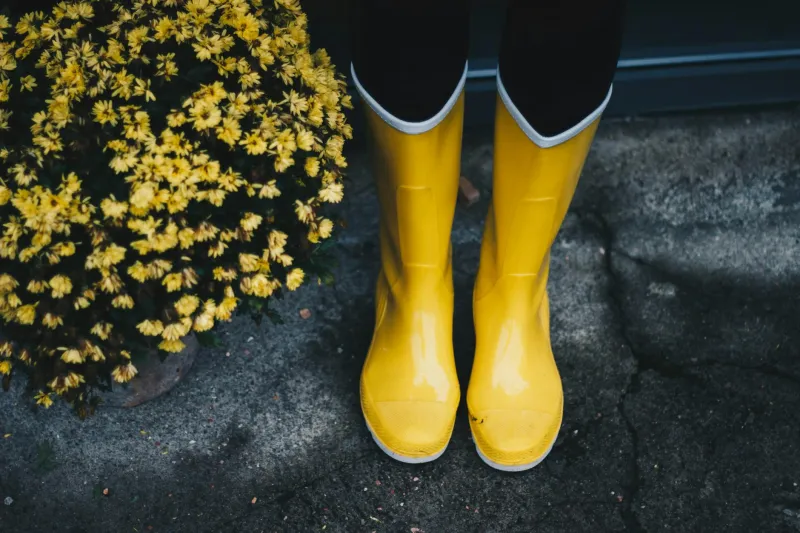
The Rise and Fall of the Hunter Empire
Once upon a time, in the halcyon days of the early 2000s, a rubber boot achieved what philosophers and politicians had failed to do for centuries: it united the British class system. The Hunter wellington, originally designed for Scottish gamekeepers and farmers who actually needed waterproof footwear, somehow became the footwear equivalent of a Birkin bag.
Kate Moss wore them to Glastonbury. The Duchess of Cambridge wore them to charity events. Suddenly, everyone from Knightsbridge socialites to Clapham yummy mummies was stomping around in £100 rubber boots, convinced they were making some sort of statement about their authentic, down-to-earth nature.
The irony was delicious: boots designed for people who worked in actual mud being worn by people who'd never encountered anything more challenging than a slightly damp pavement outside Waitrose.
The Great Glastonbury Lie
The Hunter boot's cultural dominance was built on one of the most successful marketing myths in fashion history: the idea that British people regularly attend outdoor festivals and therefore require specialist footwear. In reality, the average British person attends approximately 0.3 festivals per lifetime, and most of those involve staying in nearby hotels rather than camping in fields.
Nevertheless, the 'festival wellington' became an essential purchase for women who hadn't been to a festival since university and had no intention of ever going again. These boots were bought with the same optimistic delusion that drives people to purchase gym memberships in January — the belief that ownership would somehow transform them into the sort of person who does adventurous outdoor things.
The Hunter boot became less about function and more about aspiration. It said, "I'm the sort of person who might spontaneously decide to attend Latitude." It whispered, "I have a countryside lifestyle, even though I live in Zone 3." It proclaimed, "I am prepared for British weather," while spending 364 days a year in a heated office.
The Slow Descent into Embarrassment
But cultural capital, like actual capital, is subject to inflation and devaluation. By 2010, Hunter boots had achieved something no luxury brand wants: ubiquity. They were everywhere — from the King's Road to retail parks, from private schools to Primark shoppers who'd bought convincing knock-offs.
The tipping point came when they started appearing on the school run. Suddenly, the boot that had once signified effortless cool was being worn by harassed mothers dragging reluctant children through puddles in Tesco car parks. The festival fantasy collided with the reality of British suburban life, and the magic was broken.
Hunter tried to maintain its premium positioning, but it was too late. The boots had been democratised, and in Britain, nothing kills aspiration faster than accessibility. The brand that had once been worn by supermodels was now associated with the sort of people who actually needed waterproof footwear — parents, dog walkers, and people who lived in places where it rained.
The New Pretenders
Nature, and fashion, abhors a vacuum. As Hunter's star waned, a new generation of 'premium' wellington brands emerged, each promising to restore the rubber boot's lost glamour. These newcomers — Aigle, Le Chameau, Barbour — positioned themselves as the thinking person's wellington, boots for people who were too sophisticated for mass-market Hunter.
The prices, naturally, reflected this elevated positioning. Where Hunter had once shocked with £100 boots, these new brands casually charged £200, £250, even £300 for what was essentially moulded rubber with a logo. The justification was always the same: superior craftsmanship, heritage manufacturing, technical innovation. In reality, they were selling the same thing Hunter had always sold — the fantasy of an outdoor lifestyle to people who lived indoors.
The £220 Waitrose Warrior
Today's premium wellington market has reached a level of absurdity that would make even the most cynical marketing executive blush. Brands like Ganni and Staud are charging £220 for boots that will spend their entire lives transitioning between heated cars and heated buildings, occasionally encountering the sort of light drizzle that wouldn't challenge a flip-flop.
These boots come with features that sound impressive but serve no practical purpose for their actual usage. "Neoprene lining for extreme conditions" — perfect for the extreme condition of walking from your Range Rover to the M&S entrance. "Advanced grip technology" — essential for navigating the treacherous terrain of the Waitrose car park. "Temperature regulation systems" — crucial for the thirty seconds you'll spend outdoors between shop and car.
The marketing copy reads like equipment specifications for Arctic exploration, when the most challenging environment these boots will face is a slightly soggy football pitch during the under-10s match.
The Suburban Safari
The modern premium wellington buyer is embarking on what anthropologists might call a 'suburban safari' — the practice of dressing for adventures you'll never have while living a life of comfortable predictability. These boots represent a connection to a more authentic, outdoorsy version of yourself that exists only in your imagination and your Instagram feed.
They're worn with the same aspirational energy that drives people to buy Land Rovers for the school run or outdoor technical jackets for trips to the shopping centre. The wellington has become a costume piece in the elaborate theatre of lifestyle performance that social media has made mandatory.
The Great Puddle Expedition
Perhaps the most honest assessment of modern wellington usage comes from a field report by Sarah, 34, from Godalming, who finally wore her £200 Le Chameau boots to an actual puddle. The experience, she reported, was "anticlimactic."
"I'd been saving them for the right occasion for three years," she explained. "Then my daughter dropped her toy in a puddle at the park, and I thought, 'This is it. This is why I bought £200 boots.' I stepped in, retrieved the toy, and stepped out. The whole thing took about four seconds. The boots performed exactly as you'd expect rubber boots to perform — they kept my feet dry. I could have achieved the same result with a pair of £15 wellies from Tesco."
Sarah's revelation highlights the central absurdity of the premium wellington market: the product performs exactly the same function regardless of price, but we've convinced ourselves that paying more somehow enhances the experience of having dry feet.
The Festival That Never Comes
The tragedy of the modern wellington is that it represents dreams deferred and adventures abandoned. Every pair sitting in a hallway cupboard tells the same story — of someone who once believed they might be the sort of person who goes to festivals, walks in the countryside, or encounters actual mud in their daily life.
These boots are monuments to optimism, purchased in the belief that ownership would somehow transform the buyer into a more outdoorsy, more authentic, more interesting version of themselves. Instead, they serve as expensive reminders of the gap between aspiration and reality.
The Honest Truth About Rubber
The uncomfortable truth that the wellington industry doesn't want you to know is that rubber boots are fundamentally utilitarian objects. They exist to keep your feet dry, nothing more, nothing less. A £15 pair from a garden centre will perform this function just as effectively as a £300 pair from a heritage brand.
The premium wellington market has managed to convince consumers that there are meaningful differences between products that are essentially identical, that paying more for rubber somehow enhances its water-repelling properties, that a logo can transform a practical object into a lifestyle statement.
The Cycle Continues
As we speak, new wellington brands are emerging, each promising to revolutionise the rubber boot experience. They'll charge even more, claim even greater technical innovations, and target even more specific lifestyle niches. There will be wellness wellies, sustainable wellies, artisanal wellies made by craftsmen who learned their trade from their grandfathers.
And British women will continue to buy them, driven by the same eternal optimism that maybe, just maybe, these boots will transform them into the sort of person who has outdoor adventures. The boots will join their predecessors in hallway cupboards across the nation, occasionally glimpsing daylight during the annual family trip to Center Parcs.
Because in the end, the wellington boot industry isn't selling footwear — it's selling dreams. Very expensive, very impractical, beautifully crafted rubber dreams.