Shirt Diplomacy: The Men Who Wear Full Replica Kits Everywhere and Have Not Entered a Stadium Since the Blair Government
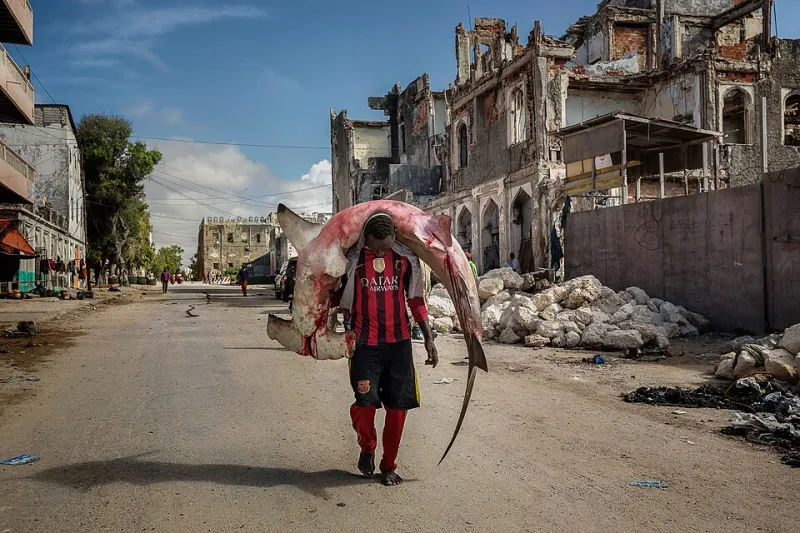
Photo: Marco Gualazzini, CC BY-SA 4.0, via Wikimedia Commons
Dave is at Morrisons. It is a Thursday afternoon in February. He is comparing own-brand baked beans with the Heinz variety, which costs 34p more and is, in Dave's considerable experience, worth every penny. Dave is wearing the full home kit. Shirt, shorts, socks — the complete ensemble, rendered in his club's colours with the name of a betting company across the chest and the squad number of a player who transferred to a Saudi league last summer still on the back. Dave looks purposeful. Dave looks committed. Dave has not been to an actual match since 2003.
This is not unusual. This is, in fact, a defining feature of British masculinity so deeply embedded in the cultural furniture that we have entirely stopped noticing it — the football shirt as default civilian garment, worn with absolute conviction by men whose active relationship with live football ended somewhere around the second Premiership era and exists now primarily as a Sky Sports subscription and strong opinions in pub gardens.
The Taxonomy of the Replica Kit Civilian
To understand the football shirt diplomat, one must first understand that this is not a homogeneous group. There are distinct subspecies, each with their own particular relationship to the garment and to the sport it nominally represents.
There is the Nostalgic Purist, who wears exclusively retro kits from the era in which he actually attended matches — the 1994 away strip, the 1998 centenary edition, the 2001 kit that still smells faintly of Bovril and regret. He will explain the significance of each shirt at length to anyone who makes the mistake of asking, and several people who don't.
There is the Current Season Loyalist, Dave essentially, who purchases the new kit every August with the enthusiasm of a man who has absolutely not been watching games in his living room in the same shirt for four consecutive seasons. The new kit is an act of faith. It is a renewal of vows with a club that doesn't know he exists.
And then there is the Full Kit Man — the apex predator of this ecosystem — who wears shirt, shorts, and socks as a coordinated unit to environments where this choice requires a level of social confidence that borders on the supernatural. The full kit to a wedding. The full kit to a parents' evening. The full kit, famously and verifiably, to a funeral in Wolverhampton in 2019, where it was noted that at least he'd ironed the shirt.
The Shirt as Tribal Passport
What makes the football shirt unique in the British wardrobe — and this is genuinely interesting, beneath the mockery — is that it functions simultaneously as the most casual garment a man can own and the most aggressively territorial one. A man in a Chelsea shirt is not simply wearing clothing. He is making a declaration. He is staking a claim. He is, whether he's been to Stamford Bridge or not, aligning himself with a set of values, a history, and a collective identity that he will defend with a vigour entirely disproportionate to his last physical proximity to the sport.
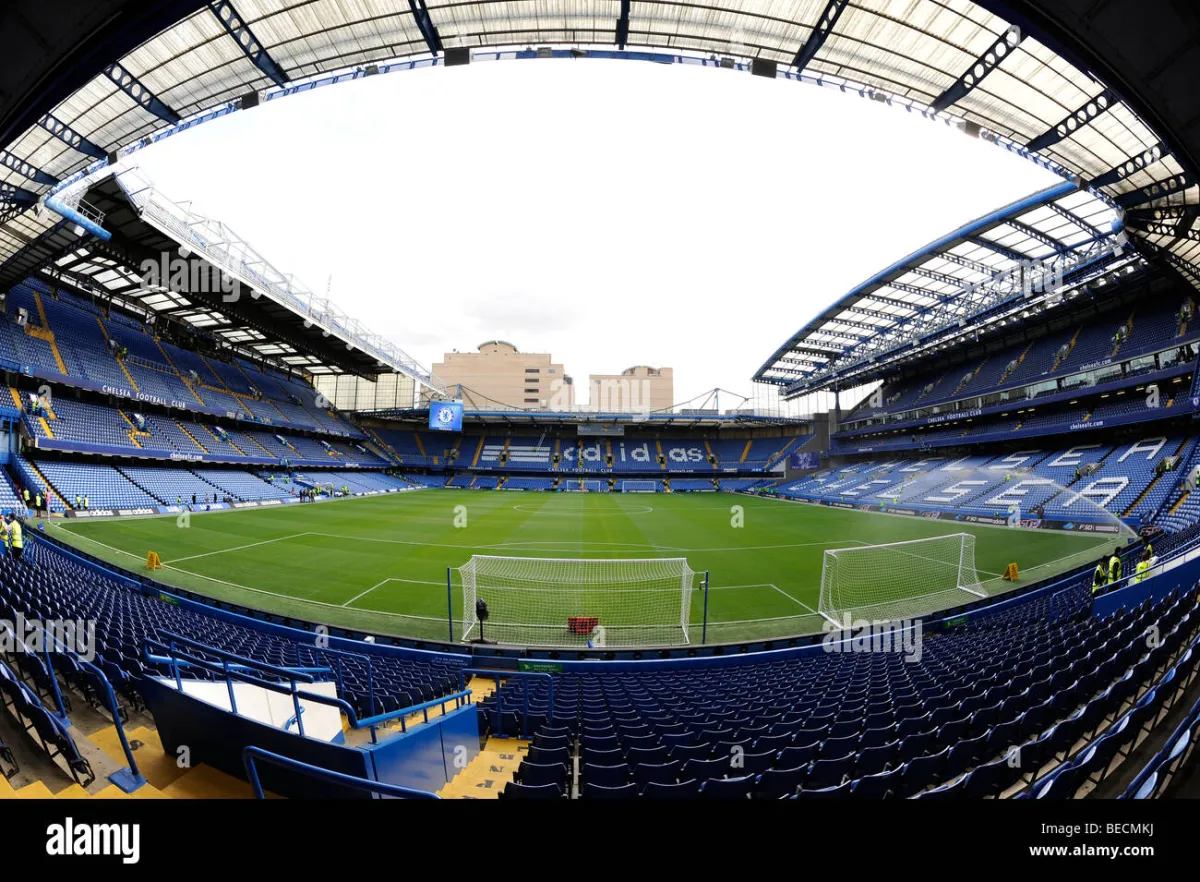 Photo: Stamford Bridge, via c8.alamy.com
This tribalism operates on a spectrum. At one end, the mild-mannered Everton fan who wears his shirt to the supermarket and will nod at other Everton shirts with the quiet solidarity of Freemasons. At the other end, the individual who will conduct a forty-five-minute monologue in a Wetherspoons about the 2005 Champions League final to a table of strangers who came in for a £5.49 mixed grill and did not ask.
Both are wearing the shirt. Both haven't been to a game in years. The shirt is doing enormous emotional labour.
The Economics of Replica Devotion
Let us briefly consider the financial dimension, because it is extraordinary. Premier League replica shirts currently retail at between £60 and £90 for adults. They are manufactured — and this is not a secret, merely a fact everyone has agreed to look past — for approximately £4 in factories that would horrify the ethics committees of the clubs whose crests they bear. They are updated annually, rendering last season's kit subtly but definitively obsolete through a minor collar adjustment or a slightly different shade of red.
The British football shirt civilian purchases these items with zero hesitation. He will balk at spending £65 on a coat he will wear every day for five years. He will spend £70 on a shirt he will wear to Lidl on the basis that it represents something larger than itself.
He is, in this respect, no different from anyone who has ever spent £400 on a handbag. The logic is identical. The social acceptability varies enormously by gender, which is a separate article entirely.
The Shirt at Rest
Perhaps the most poignant aspect of the football shirt diplomat's existence is the gap between the garment's implied energy and the reality of its deployment. The shirt was designed for ninety minutes of athletic tribalism, for crowds and noise and genuine stakes. It is being worn to a garden centre in Solihull on a Bank Holiday Sunday while its owner debates whether to buy a hanging basket.
And yet — and this is the thing that makes it oddly moving rather than simply absurd — the shirt works. It communicates belonging. It signals identity in a country that is otherwise deeply allergic to wearing its heart anywhere near its sleeve. The man in the replica kit at Morrisons on a Thursday afternoon is telling you something true about himself: this matters to me, this is mine, this is who I am, even if the last time I was there in person Tony Blair was still Prime Minister and the pies cost £2.20.
 Photo: Tony Blair, via www.middleeasteye.net
Dave puts the Heinz beans in the basket. Obviously he does. He has standards.
The squad number on his back belongs to a man currently playing in Riyadh. He doesn't want to talk about it.