Premium Loungewear and the Great British Wellness Delusion: £89 Sweatpants Have Never Seen a Treadmill
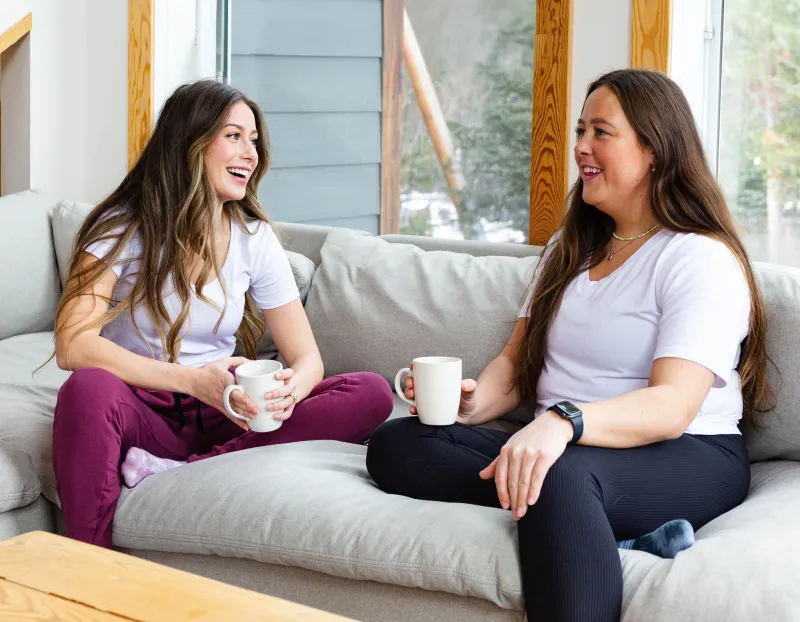
Photo: woman luxury loungewear sweatpants sitting on sofa with tea mug, via daubanddesign.com
Let us be honest about what is happening here. Britain has purchased several billion pounds' worth of premium sweatpants, and the vast majority of those sweatpants have never been within a postcode of a gym. They have been within a postcode of a sofa. They have been within arm's reach of a biscuit tin. They have been, on their most adventurous days, taken as far as the end of the driveway to retrieve a parcel, whereupon they have returned inside and resumed their primary function, which is being extremely comfortable while achieving absolutely nothing physical.
This is not, in the language of the industry that sold them to us, a failure. This, apparently, is 'active recovery.'
The Semantic Gymnastics of the Loungewear Industry
Somewhere around 2020, the activewear industry — already doing extremely well selling yoga leggings to people who had never attempted downward dog — noticed an opportunity. Lockdown had created a nation of people who needed to feel good about spending extended periods horizontal, and the industry, being an industry, rose magnificently to the occasion.
The vocabulary shifted first. 'Tracksuit bottoms' became 'performance joggers.' 'Sweatshirt' became 'technical fleece.' 'Staying in your pyjamas all day' became 'embracing the athleisure lifestyle,' which sounds like something a life coach would charge £200 an hour to help you achieve. Price points that had previously applied to actual sporting equipment — the sort involving carbon fibre and GPS — were quietly transferred to elasticated waistbands and brushed jersey fabric.
The masterstroke, though, was wellness. Once sweatpants became a wellness product, the purchase was no longer discretionary. You weren't buying trousers. You were investing in yourself. You were prioritising your mental health. You were, in some vague but deeply reassuring sense, doing the work.
'They're really good for yoga,' explains Tamsin, 39, a marketing manager from Reading who has not done yoga since a six-week beginner's course in 2018. Her Varley joggers — £94, in a shade the website describes as 'oat' — are, she confirms, 'really versatile.' They have been worn to: Waitrose, a school fundraiser, three separate sofa evenings, and once to a friend's kitchen for coffee. 'I feel really put-together in them,' she says. 'Like I've got my life sorted.'
The joggers have not been to a gym. The joggers will not be going to a gym. The joggers are, in every meaningful sense, very expensive home trousers. But they are home trousers that make Tamsin feel like a person who exercises, which is apparently worth £94.
The Price-Point Psychology
Here is the thing that the loungewear industry understood, and that the British consumer has proven spectacularly unable to resist: expensive sportswear doesn't just signal fitness. It substitutes for it.
There is documented psychological research — which we are citing loosely and without particular rigour, in the tradition of lifestyle journalism — suggesting that purchasing gym-adjacent clothing produces a mild version of the satisfaction one would get from actually going to the gym. The brain, which is fundamentally lazy and easily fooled, files 'bought running leggings' under 'athletic endeavour' and releases a small quantity of the relevant chemicals accordingly.
The premium loungewear industry has essentially monetised the gap between who we are and who we intend to be. And Britain, a nation of magnificent intentions and spectacular inertia, has turned out to be the perfect market.
'I've got the gear, I just need to sort out the time,' says Marcus, 43, a financial analyst from Guildford who owns four pairs of Gymshark joggers, two Lululemon sweatshirts, and a foam roller that has been used precisely once as a doorstop. His home gym — a set of adjustable dumbbells and a mat he bought in January — is in the spare room under a clothes airer. 'It's all there. I just need to get into a routine.' The joggers, meanwhile, have a very established routine. It involves the sofa, the television, and occasionally the garden when the weather's nice.
The Taxonomy of the Premium Loungewear Consumer
Four years of careful observation — again, we use the term loosely — has revealed several distinct archetypes among Britain's premium sweatpant-owning class.
The Optimist buys the joggers alongside a gym membership, a meal plan app, and a water bottle that cost more than a small appliance. The gym membership lapses. The app is deleted. The water bottle is used for squash. The joggers remain, promoted by circumstance to full-time leisure wear.
The Upgrader previously owned supermarket-brand tracksuit bottoms but has reached a life stage — promotion, milestone birthday, general existential restlessness — where cheap fleece feels insufficient. The premium joggers represent not fitness but arrival. They are the sweatpants of a person who has their life together, or at minimum, has a decent thread count.
The Wellness Convert has read extensively about cortisol and rest days and the importance of not over-training. Rest days, it turns out, look exactly like days when you don't exercise at all, which is convenient, because that's most of them. The premium loungewear is therefore not laziness. It is periodisation.
The Honest One will tell you, if pressed, that they bought the joggers because they are extremely comfortable and they wanted nice trousers for the house. These people are rare, psychologically robust, and frankly to be admired.
What £89 Sweatpants Actually Cost
Let us do some brief arithmetic, in the spirit of public service. The average British premium loungewear enthusiast — and we use the word enthusiast in its most sedentary possible application — owns approximately three pairs of high-end joggers, two technical sweatshirts, and a sports bra that functions exclusively as an undergarment for the sweatshirt. Total outlay: somewhere in the region of £400-£600.
For £400, you could purchase: a year's gym membership at a mid-range facility, several sessions with an actual personal trainer, a decent bicycle, or enough running shoes to theoretically last you into the next decade. You could, in other words, fund actual physical activity at considerable scale.
Alternatively, you could have some very nice trousers for watching The Great British Bake Off.
Britain has chosen the trousers. And honestly, given the quality of recent GBBO series, it's hard to argue the logic entirely.
The Verdict
The premium loungewear industry has achieved something genuinely impressive: it has sold Britain the feeling of being athletic without the inconvenience of being athletic. It has made staying in feel aspirational, self-care feel sporty, and elasticated waistbands feel like a lifestyle choice rather than a comfort preference.
The £89 sweatpants will never see a treadmill. But they will be worn with enormous frequency, considerable comfort, and the quiet, warm conviction that you are, at heart, a very active person who is simply between sessions.
The kettle's boiled. The sofa awaits. The joggers are ready.
Wellness, apparently, looks exactly like this.