Six Quid and a Prayer: Britain's Catastrophically Optimistic Relationship With the Disposable Brolly
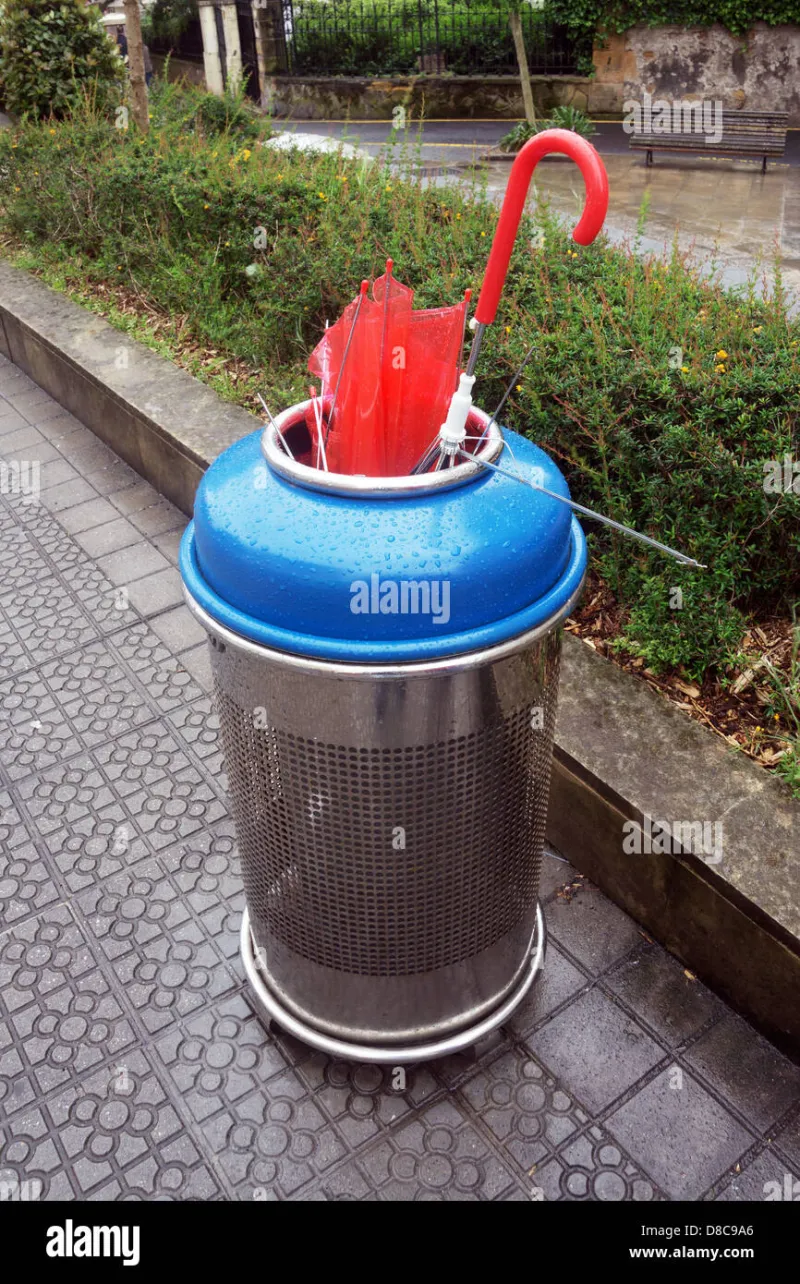
Photo: broken umbrella wind rain London street bin, via c8.alamy.com
Six Quid and a Prayer: Britain's Catastrophically Optimistic Relationship With the Disposable Brolly
There is a bin outside the Boots on Oxford Street. You know the one. It is not a standard council bin. It is, in effect, a mass grave — a cylindrical monument to British optimism, filled to capacity with the skeletal remains of inside-out £5.99 umbrellas that lasted approximately forty minutes before surrendering to a light breeze near Tottenham Court Road. The bin is always full. The bin will always be full. This is who we are.
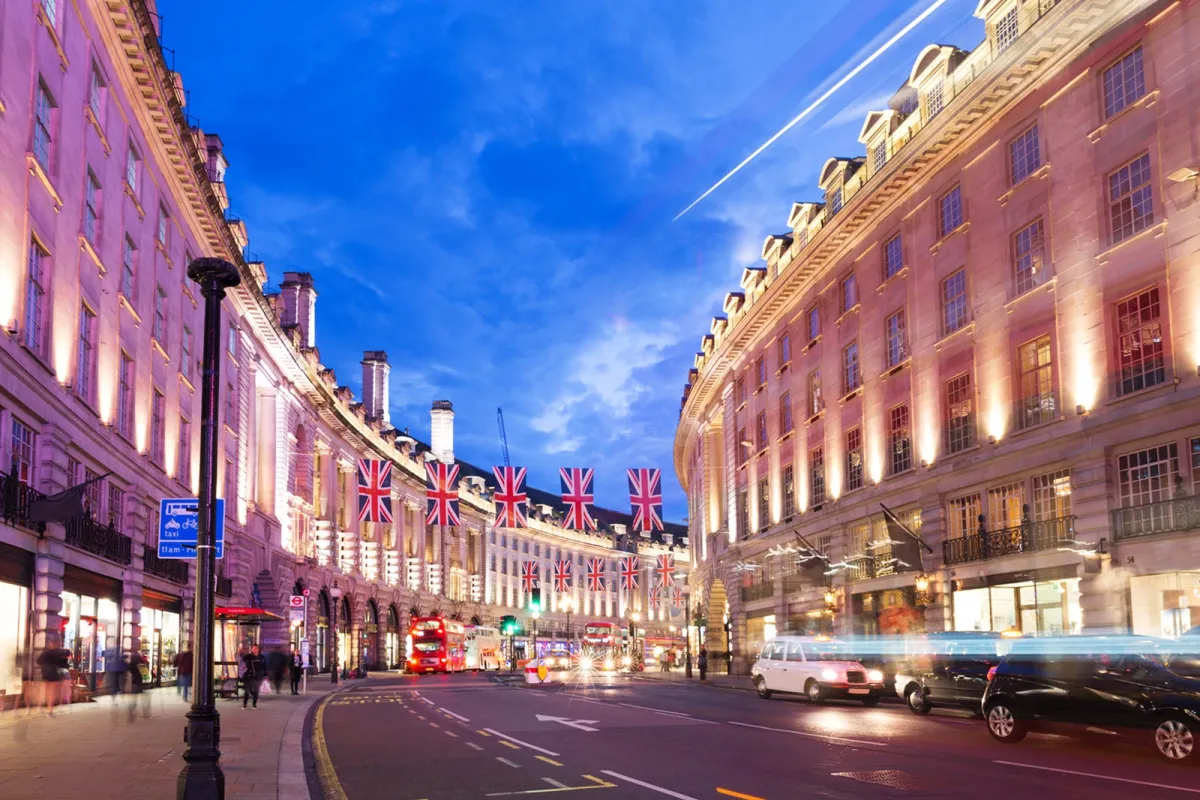 Photo: Oxford Street, via a.cdn-hotels.com
Britain receives an average of 156 days of rainfall per year. That is not a statistic. That is a lifestyle. That is nearly five months of meteorological certainty, delivered reliably, annually, without surprise or variation, to every postcode in the land. And yet, somehow, every time it rains, roughly 68 million people react as though precipitation is a personal affront — a rogue weather event that no reasonable person could have anticipated — and proceed to sprint into the nearest newsagent to purchase a folding brolly that will not survive the return journey.
The Anatomy of a Terrible Decision
Let us trace the lifecycle of Britain's most doomed accessory. It begins at approximately 8:47am on a Tuesday in October, when a person — let us call her Karen, because statistically it probably is — leaves the house without an umbrella. She has owned eleven umbrellas in the past three years. She knows this. She cannot locate a single one of them.
By 9:04am, Karen is standing outside a Pret a Manger, partially sheltered by a small awning, watching her work trousers absorb the ambient atmosphere of Holborn. By 9:09am, she has purchased a £6 umbrella from a man with a bucket outside the Tube. It is purple. It has a handle shaped like a duck. She does not remember making this decision.
The umbrella performs adequately for approximately one commute. On its second outing, it inverts itself in a gust of wind near Waterloo Bridge with the dramatic resignation of a Victorian consumptive, and Karen abandons it in a bin without ceremony, grief, or any intention of learning from the experience.
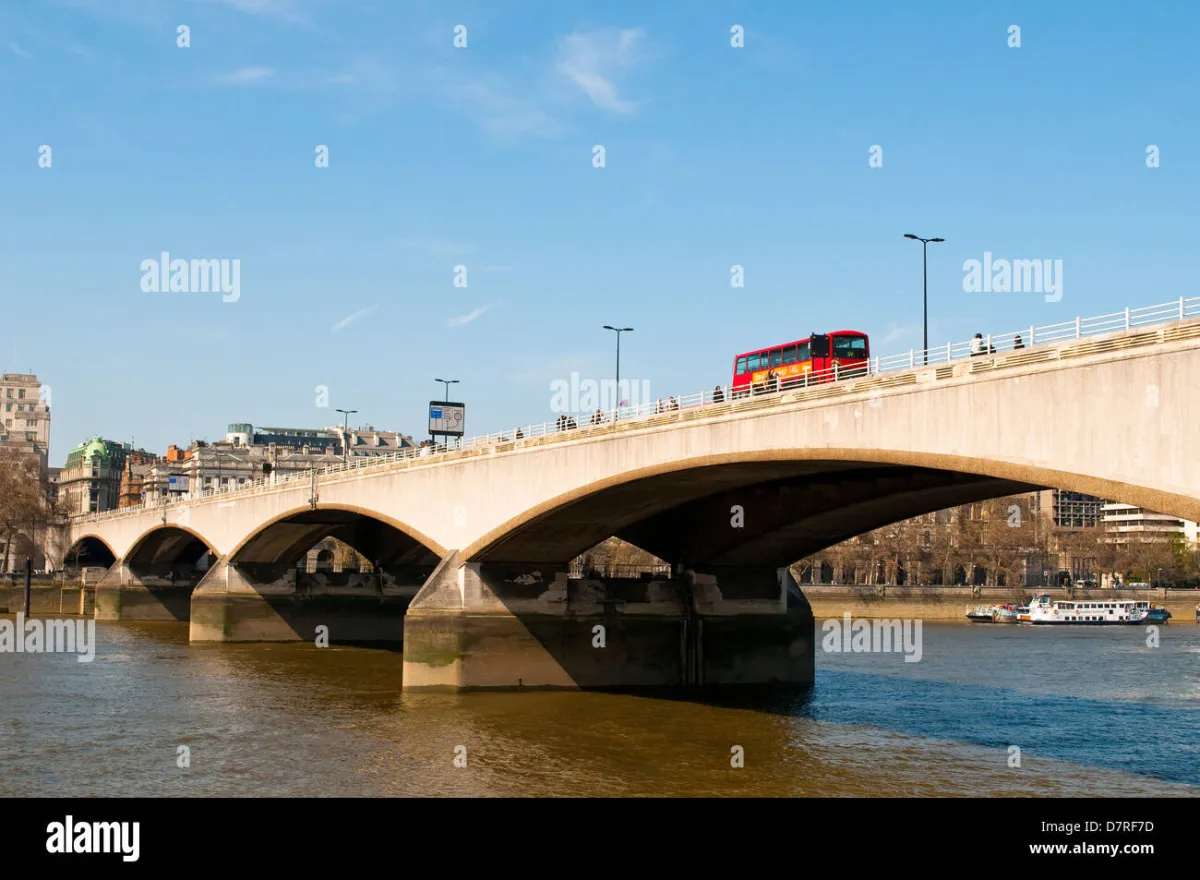 Photo: Waterloo Bridge, via c8.alamy.com
She will repeat this process in December. And February. And again next October.
The Luxury Brolly Trap
At some point — usually following a particularly humiliating public drenching — Britain's more aspirational citizens attempt to solve the problem through expenditure. They purchase a Fulton birdcage. They invest in a Davek. They spend £75 on something from a John Lewis umbrella stand with a wooden handle and a reassuring weight, the kind of umbrella that whispers you are a serious adult now.
This umbrella is left on a train within the fortnight.
Network Rail reports recovering over 300,000 umbrellas annually from its lost property offices. This is not a coincidence. This is a law of physics. The quality of an umbrella is directly proportional to the speed at which it will be abandoned on public transport, because the psychological investment in a £75 brolly is apparently no match for the distraction of a podcast about true crime and a seat that faces the direction of travel.
 Photo: Network Rail, via www.networkrail.co.uk
The £6 duck-handled atrocity, meanwhile, is never left on a train because no one would dream of taking it on one.
The Folding Pocket Umbrella Lie
Somewhere in the middle of this economic tragedy sits the folding umbrella — that compact, apparently sensible solution to the portability problem. It folds. It fits in a bag. It is, in theory, always with you. The marketing is impeccable. The reality is that it lives in the bottom of a tote bag beneath a receipt from Itsu, four loyalty cards for coffee shops that have since closed, and a hair bobble of indeterminate origin. It is retrieved once every eight months, at which point it is discovered to be broken in a way that cannot be immediately identified but manifests as one side being slightly lower than the other, like a tiny asymmetrical tent.
The folding umbrella was invented to solve a problem. It solved nothing. It merely relocated the problem into a bag.
A Cultural Diagnosis
Fashion psychologists — a profession that absolutely exists and is definitely not just people being paid to state the obvious — suggest that Britain's umbrella dysfunction is less about practicality than identity. We are, as a culture, deeply committed to the performance of coping. The stiff upper lip, the cheerful shrug at the grey sky, the 'it's only a bit of drizzle' delivered while visibly drowning — these are not weather responses. They are personality traits.
Preparing properly for rain — carrying a quality umbrella, wearing a genuinely waterproof coat, perhaps even owning a hat — would require admitting that the weather is a problem worth solving. And that, apparently, is a bridge too far. We prefer to be surprised. We prefer to be wet. We prefer, on some deep and possibly genetic level, to spend £6 on a duck-handled skeleton and watch it die in a gust near Waterloo.
The bin outside Boots will be waiting.
It is always waiting.