Strap Yourself In: The Curious Case of Grown Women Cosplaying as Victorian Chimney Sweeps
The Overalls Uprising
In the grand tapestry of British fashion disasters—from shell suits to those unfortunate frosted tips of the early 2000s—nothing quite prepares you for the sight of a fully-grown marketing executive conducting a Teams meeting whilst dressed like she's about to milk a cow in 1847.
Yet here we are, living through what historians will undoubtedly term 'The Great Dungaree Delusion,' a period in which an entire generation of British women convinced themselves that wearing agricultural workwear to their book club constitutes authentic self-expression.
The Quirky Girl Industrial Complex
The dungaree's stranglehold on British fashion cannot be understood without first examining its primary demographic: women who describe themselves as 'a bit different' and whose Instagram bios read like a manifesto for aggressively wholesome living. These are the pottery class enthusiasts, the independent bookshop frequenters, the makers, bakers, and crafters who've somehow convinced themselves that dressing like a Depression-era farm worker is the height of creative authenticity.
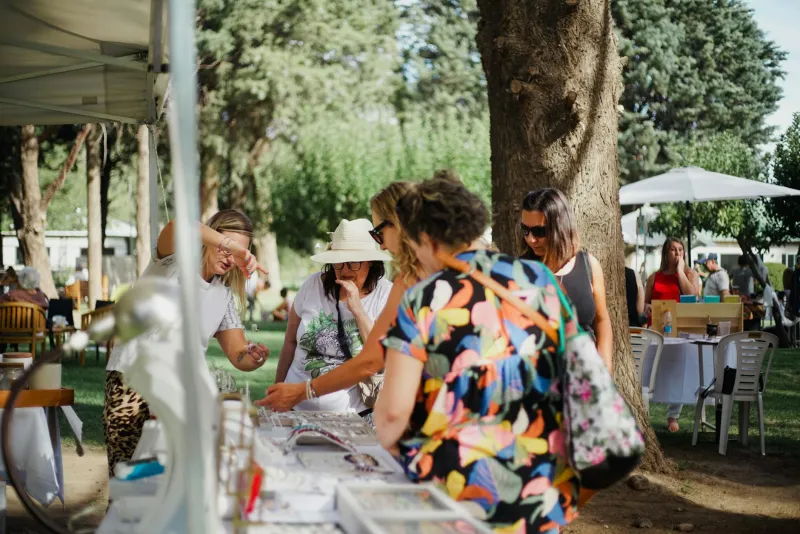
Visit any artisanal market from Camden to Canterbury, and you'll witness the phenomenon in its full glory: rows of women in their thirties and forties, strapped into denim contraptions that would make a Victorian chimney sweep weep with recognition, earnestly discussing sourdough starters and the therapeutic benefits of macramé.
The Professional Predicament
Perhaps most bewildering is the dungaree's infiltration of professional environments. There's something deeply unsettling about watching a grown woman attempt to negotiate a salary increase whilst dressed like she's auditioning for a remake of 'The Grapes of Wrath.' Yet this is the reality we've created—a world where showing up to a job interview looking like you've just finished mucking out stables is somehow considered 'authentic self-expression.'
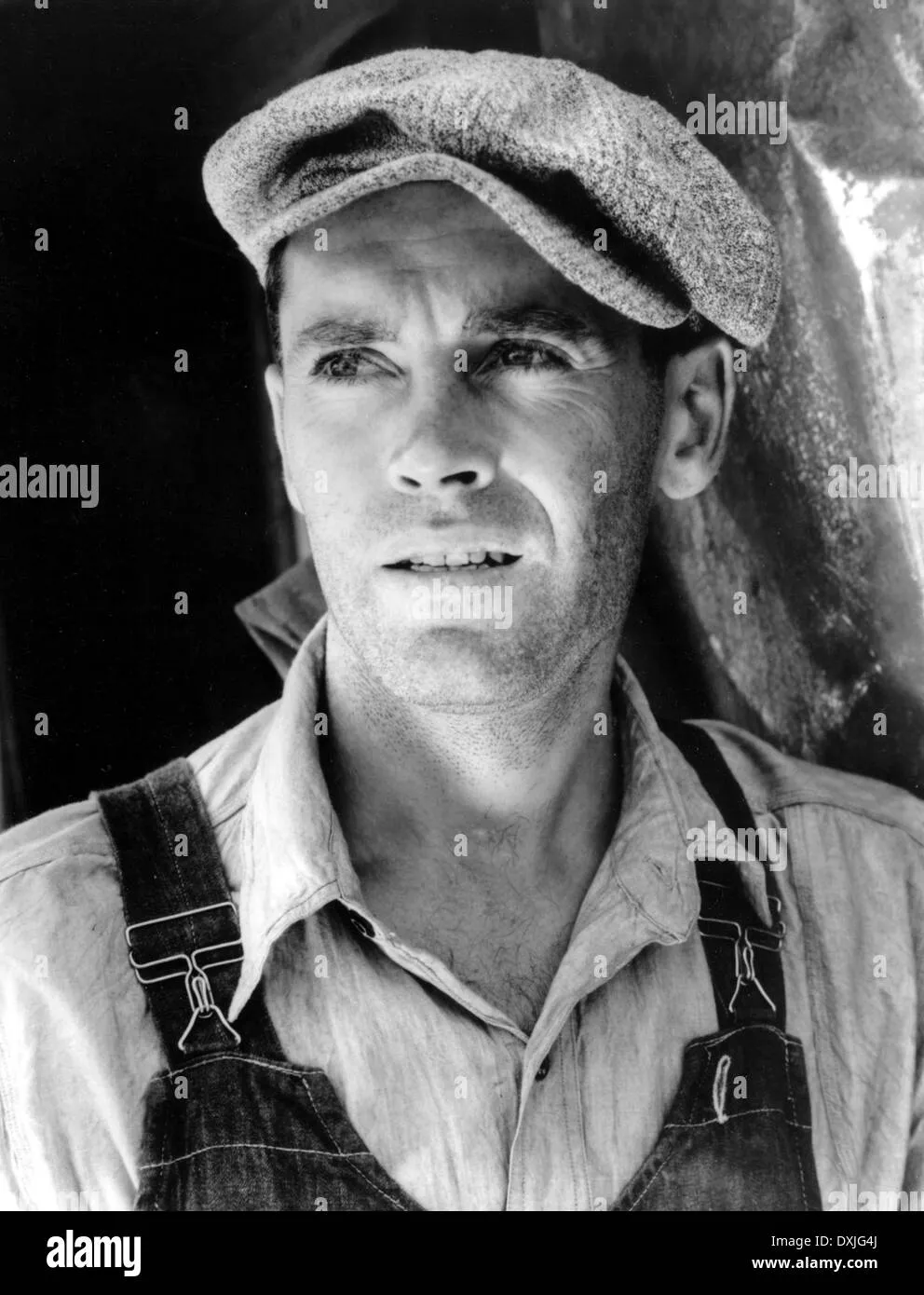 Photo: The Grapes of Wrath, via c8.alamy.com
The corporate dungaree phenomenon has spawned its own subspecies: the 'smart dungaree' (an oxymoron if ever there was one), typically rendered in black or navy and paired with a crisp white shirt, as if adding a collar somehow transforms agricultural workwear into business attire. It's the sartorial equivalent of putting a bow tie on a pig and calling it formal wear.
The Psychology of Straps
What drives a fully-functioning adult to voluntarily strap themselves into a garment that requires the manual dexterity of a contortionist to use the toilet? The answer lies in the dungaree's unique ability to solve multiple modern anxieties simultaneously.
First, there's the comfort factor. In an age of body positivity and the rejection of restrictive clothing, the dungaree offers the ultimate in forgiving silhouettes. No waistband to dig in after a substantial lunch, no complex fastenings to navigate—just two straps and the promise that whatever happens, you'll look exactly the same as you did when you put them on.
Second, there's the identity signalling. In a world where personal branding is everything, the dungaree broadcasts a carefully curated message: 'I am creative, I am practical, I am the sort of person who could probably build a chicken coop if required.' Never mind that most dungaree wearers couldn't identify a chicken coop from a postbox—it's the aspiration that counts.
The Enamel Pin Ecosystem
No examination of the dungaree phenomenon would be complete without acknowledging its symbiotic relationship with the enamel pin industry. These tiny badges, typically featuring whimsical slogans like 'Plant Lady' or 'Feminist Killjoy,' have found their natural habitat on dungaree straps, transforming agricultural workwear into a mobile display case for personality markers.
The enamel pin serves a crucial function in the dungaree ecosystem—it provides the wearer with a sense of individual expression within the conformist framework of looking exactly like every other woman who shops at independent craft fairs. It's customisation for people who've chosen the least customisable garment possible.
The Toddler Paradox
Perhaps the most unsettling aspect of the dungaree renaissance is how it's transformed grown women into walking reminders of childhood. There's something profoundly disturbing about watching a 35-year-old project manager order a flat white whilst dressed identically to a three-year-old at a sandpit.
This infantilisation seems entirely intentional. The dungaree offers its wearer the ultimate escape from the complexities of adult dressing—no need to coordinate separates, no risk of fashion faux pas, just the simple comfort of looking like someone's mum dressed you for a day at the farm.
The Future of Functional Fashion
As we look ahead to whatever fashion disaster awaits us next (smart money's on the return of the shell suit, but with 'sustainable' credentials), the dungaree stands as a monument to our collective surrender to comfort over style. It represents the triumph of function over form, practicality over pizzazz, and the agricultural aesthetic over any semblance of urban sophistication.
The dungaree has taught us that in modern Britain, looking like you're perpetually ready to tend livestock is not just acceptable—it's aspirational. We've created a society where dressing like a Victorian farm worker is considered creative self-expression, and honestly, we probably deserve whatever fashion apocalypse comes next.
Until then, we'll continue to strap ourselves in, pin our personalities to our chests, and pretend that wearing workwear to the wine bar is the height of authentic living.