The Polyester Persecution: Britain's School Uniform Economy and the Annual £400 Shakedown in the Name of Equality
Photo: Unknown, CC BY 4.0, via Wikimedia Commons
The Polyester Persecution: Britain's School Uniform Economy and the Annual £400 Shakedown in the Name of Equality
Somewhere in a school office in the East Midlands, a letter is being drafted. It concerns a child's trousers. Specifically, it concerns the width of the leg opening, which has been measured and found to be 23 centimetres — two centimetres wider than the school's official trouser policy permits. The letter will be sent home in a sealed envelope. It will be treated, by all parties involved, with the gravity of a legal summons. The trousers cost £34. They are grey. They are made of a material that the laws of chemistry cannot fully classify.
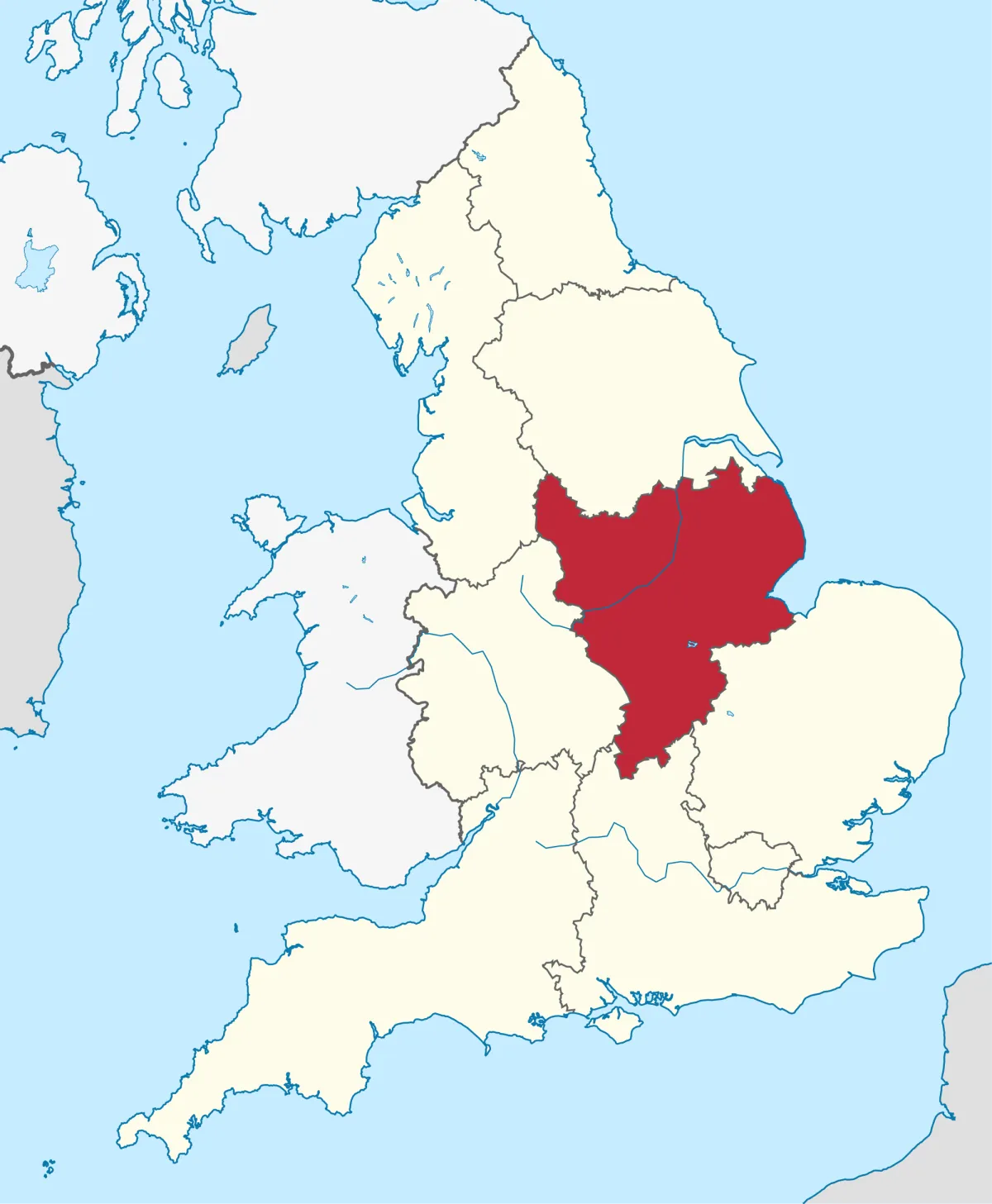 Photo: East Midlands, via media.thetab.com
Welcome to the school uniform industrial complex — Britain's most lovingly maintained exercise in institutional absurdity, where the pursuit of conformity costs more than non-conformity ever would, and where the concept of 'levelling the playing field' has been repackaged as a direct debit to an approved supplier in a retail park outside Swindon.
The Approved Supplier Racket
Let us begin at the beginning, which is to say: the list. Every British school issues, with tremendous solemnity, a list of required uniform items, each accompanied by the crucial caveat that certain items — the embroidered blazer, the logo'd PE kit, the specific shade of burgundy that exists nowhere in nature or the Next catalogue — must be purchased exclusively from the school's approved supplier.
The approved supplier is never on the high street. The approved supplier is never online in any convenient sense. The approved supplier is, invariably, a shop that operates from 10am to 4pm on weekdays, closed Wednesdays, and has a queue in August that stretches past the car park and into a philosophical reckoning about whether your child actually needs to attend secondary school at all.
In this shop, a plain white polo shirt — the same polo shirt available in a multipack from Asda for £4.50 — costs £9.99 because it has been embroidered with a crest depicting what appears to be a badger holding a torch. This embroidery is non-negotiable. The badger is the price of admission to civilised society.
The Taxonomy of Grey
Nothing in the British school uniform experience prepares a new parent for the discovery that grey is not, in fact, a single colour. It is a spectrum. It is a philosophical position. It is a source of institutional conflict that would embarrass the United Nations.
School A requires 'mid-grey.' School B insists on 'charcoal.' School C's policy document specifies 'traditional school grey,' which is a colour that exists only in the imagination of whoever wrote the policy document in 1987 and has never been successfully reproduced since. The trousers you bought from M&S — charcoal, surely, definitively charcoal — will be assessed upon arrival and found to be, in the opinion of a form tutor with a grudge, 'more of a dark grey, which is not the same thing.'
The letter will follow within a fortnight.
The Labelling Industrial Complex
Having spent approximately £400 on the correct shade of everything, the British parent is then required to label it. All of it. Every item. Name tapes — not biro, not permanent marker, but proper iron-on name tapes ordered from a website that has operated since 1987 and whose interface reflects this — must be applied to thirty-seven individual garments before the first day of term.
This is presented as a practical measure. It is not. It is a ritual. It is a form of magical thinking in which the act of labelling an item with your child's name will somehow prevent it from vanishing into the school's lost property system, a dimension from which nothing has ever been retrieved.
The average British child loses 4.7 named items of clothing per half-term. The average British parent spends £12 on name tapes per year. The school's lost property box, last checked in 2019, contains 340 jumpers, 67 single shoes, and one blazer belonging to a child who left in 2014. None of them have labels. The labels are in a drawer at home, still in the packet.
The Half-Term Disintegration Schedule
School uniform operates on a geological timescale that bears no relationship to the academic year. The trousers — expensive, grey, embroidered-badger-adjacent — will hold their structural integrity for precisely six weeks before the knees begin their quiet resignation from the fabric. By the October half-term, the child is wearing what is technically a pair of grey suggestions. By Christmas, one knee has achieved full transparency.
The jumper, meanwhile, will pill. It will pill with such enthusiasm and such speed that by November it will resemble something found in a hedgerow rather than something purchased from an approved supplier for £18.50. The school's position on pilled jumpers is that they are the parent's problem. The parent's position on pilled jumpers is that they cost £18.50 and it has been nine weeks.
No one wins. The badger on the crest looks on, impassively.
The Annual Reckoning
Every August bank holiday, Britain's parents perform the sacred ritual of the uniform audit — a forensic assessment of last year's purchases against this year's requirements, conducted with the quiet desperation of someone trying to make the maths work. The blazer still fits, technically. The trousers do not. The PE kit has vanished entirely. The shoes that were 'good for at least another year' in June are now, upon inspection, held together primarily by optimism.
The trip to the approved supplier is scheduled. The queue is joined. The badger is purchased anew.
Somewhere in the East Midlands, a letter about trouser width is already being drafted for September.